


Table of Contents
From Experience of Holiday Triggers
I speak only from my own experience with addiction and recovery. I have lived the terrors of using even when I did not want to. If you are thinking of quitting, I would whole heartedly tell you that it is worth it. However, I am not a licensed therapist or doctor. Please consult with at least one, if not both as you move from active addiction to living in recovery.
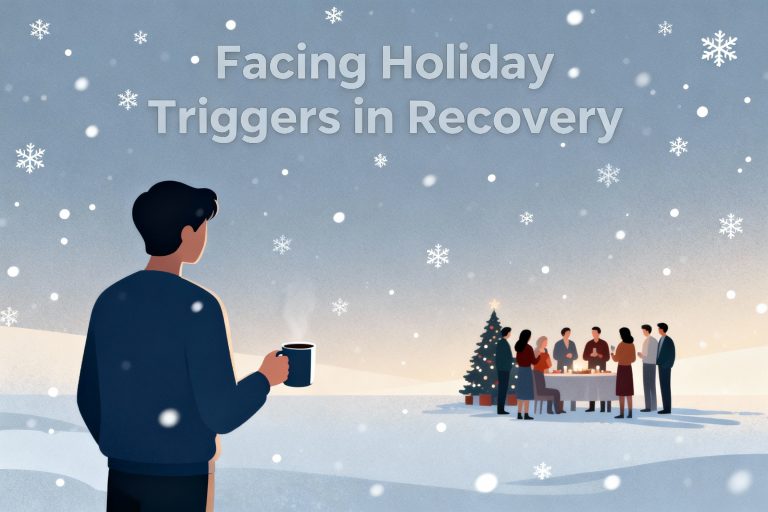
As I put together this site to aid others, like me, with their recovery journey, I must face the time of the year that I am starting it. The Holiday season. It’s one of the most hectic time periods of the year for many of us. Especially those of us that have children or large families.
Now, while these triggers may be slightly different for you or the loved ones in your life, I find that these are some of the most common contributors to relapse during the holidays. Let’s face it. This can be a critical time in our recovery, drastically so if we are in early recovery.
There are statistics stating that there is up to a 150% spike in relapses from Thanksgiving Day to New Years Day (https://www.prnewswire.com/news-releases/drug-and-alcohol-relapse-rates-spike-150-during-the-holidays-300764679.html). With a reported 94% of individuals in recovery reporting to the American Addiction Center, “feeling overwhelmingly or moderately stressed during the holidays”.
Often refered to as the “perfect storm” of events. These are what I consider to be my top 5 triggers that I face going into the holiday season, as I am sure many of you reading this can agree. Stick around though, at the end we’ll go over a few things we can do to combat these triggers when they rise. And as my experience has taught me, they will arise, but we can overcome them.
Social Presence & Environmental Availability
This is perhaps the most imediate source of triggers that we will face during the holidays. We will be invited to office parties, family dinners, and get together’s with friends. There tends to be an uptick of alcohol usage during the holidays and will often be present at these gatherings.
Social pressure can be subtle but pervasive and our network may unknowingly pressure us during these get togethers to have a social drink with them. However, as an addict, we know that any substance can take us back down the rabbit hole. It is no surprise that our relapse risk increases dramatically when we place ourselves in an environment where alcohol is.
Family Dynamics
For many addicts, the family unit is where our first traumas were realized. Returning to the childhood home or family unit often puts individuals in positions where it is easy to revert to old behavioral patterns.
Facing unresolved conflicts or passive-aggressive comments about our past behavior can trigger immediate defensiveness or shame. As well as out tiptoeing around to avoid conflict creates an internalized dialog that can amount to a pressure cooker that in the past, we relieved with our using substances.
Expectations & Financial Stress
We can often feel stressed to manufacture a “perfect” holiday experience since we are in recovery. Since we have eliminated the use of alcohol and drugs in our lives, we or others may expect more than we are ready or able to give at that stage in our recovery
We have so commercialized the image of a blissful holiday that it often clashes with the reality of financial strain and personal struggles. We face these and then think something is wrong with us. We start to spin downwards, unaware of the trap we had unwittingly left for ourselves.
Disruption of Routine
Recovery is a lifestyle that thrives on predictability; the holidays destroy it. Late nights, travel, heavy meals, missed meetings, all play a role in breaking up the circadian rhythm and self-care protocols we had put in place. This lack of structure can put us in positions where the potential of relapse escalates quickly.
The acronym you may hear a lot in your recovery is “HALT” (Hungry, Angry, Lonely, Tired). The holidays can frequently induce all four states, at times even simultaneiously. Missing regular therapy sessions or 12-step meetings to attend holiday events remove our safety net exactly when we need it the most.
Isolation & Loneliness Paradox
Even though the holiday season is supposed to be that of joy and connection with friends and family, the holidays can severely amplify feelings of isolation. Everyone goes around with a happy face on and tries to put on a show that everything is sunshine and rainbows. This can go a long way towards highlighting our losses-whether it be estranged family, loss of custody, the death of loved ones, or even the relapse we’re just coming back from.
This is compounded for those of us who don’t have strong, supportive families. This has triggered for me depression and further exacerbated the sense of lonliness that I felt. For me, this is my biggest trigger. Isolation is often a precursor to relapse as individuals use substanced to fill the void we feel within.
The Coping Strategies:
Now that we have identified the worst triggers we will face during the holiday season, we can move onto the tools to fight the darkness away. These are simple strategies; we don’t need grand designs. We just need simple, effective strategies to keep us focused.
- “Bookending” Events = Call a sponsor/mentor immediately before and after an event or family gathering to create accountability.
- The “Escape Hatch” = Drive your own car to gatherings. If a situation becomes toxid, you retain the autonomy to leave immediately.
- Protective Scheduling = Schedule recovery meetings first, then fit holiday events around them. Do not cancel therapy for parties.
- Expectation Management = Set a hard budget in November. Suggest “presence over presents” or potluck meals to reduce financial burden.
- Service Work = Volunteer at a shelter or community center. Shifting focus from internal lack to external contribution reduces self-pity.
Conclusion:
The cold hard fact is that the holiday season does not cause relapse; it reveals the cracks in a recovery foundation. The Primary defense we have against relapse is intentionality. By treating the holidays as a high-risk period requiring increased (rather than decreased) support, individuals can navigate the season without compromising their sobriety.
If your like me, these tools will be paramount to have a survival first aid kit ready to go at all times. I have spent many a year celebrating the holidays with my family and much of it was spent inebriated. I wish I could take those years back, but the next best thing I can do is to ensure that myself and others like myself have to tools to never give them away again.
My last tip to you, keep your network strong. Keep building connections in recovery. Meetings are a great place to meet like-minded people who are trying their best to keep their recovery foremost in their life. You don’t have to be alone this holiday season.
