

Table of Contents
Rebuilding life after addiction isn’t a glow-up—it’s construction work in the dirt, with shaking hands, while the past is still screaming your name. This is the order that helps you stay free, stay housed, stay fed, and stay sober long enough for everything else to finally have a chance.
You can’t fix everything today—and that’s the point
If you’re early in recovery, you’re going to want to sprint. You’ll want to “clean it all up” in a week: relationships, money, court, jobs, health, your reputation, your whole identity. That urgency feels noble, but it’s also dangerous—because when you can’t pull it off (and you won’t), discouragement hits, shame hits, and relapse starts whispering, “See? You’ll never get it together.”
Here’s the truth: some amends can’t be made with words. Some relationships are so burned over and over that the only apology that counts is time—quiet consistency, clean living, and doing what you said you’d do for months, not minutes. You don’t get to control when people trust you again. You only control whether you live different today.
This guide is triage. Not because relationships don’t matter, not because emotions don’t matter, not because identity doesn’t matter—but because if you don’t build stability first, you’ll keep creating new wreckage while trying to clean up the old.
The rule: Stability before closure
You’re going to feel pressure to chase closure—closing the loop with family, patching friendships, explaining yourself, proving you’ve changed. But closure doesn’t keep you sober. Stability does.
Stability means:
- You’re not dodging court.
- You’re not couch-hopping in chaos.
- You’re not spiraling in untreated mental health.
- You’re not trying to rebuild trust while still lying, snapping, disappearing, or “almost” relapsing every week.
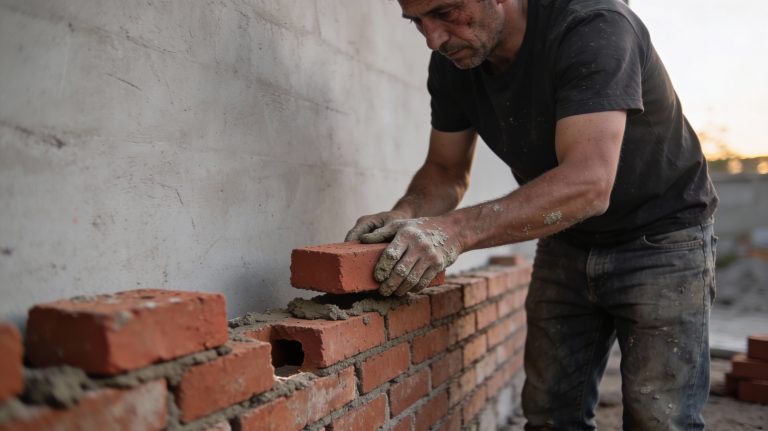
This is how you pick up the pieces: one brick at a time, in the right order.
Priority 1: Legal issues (criminal + family court)
If you’re dealing with court, probation, pending charges, child custody, supervised visits—this is not “admin work.” This is the foundation. Ignore it and you can lose your freedom, your kids, your job, your housing… and then you’re right back in survival mode, which is where addiction thrives.
What progress looks like in the first 30 days
- You stop hiding. You stop missing calls. You stop “forgetting” dates.
- You show up early. You comply. You document.
One-brick actions (do these this week)
- Make a single “Court/Case” list (notes app or paper): all dates, requirements, contacts, fees, testing, classes.
- Set reminders for every deadline and appointment, with backup reminders the day before.
- Start a folder for proof: receipts, test results, completion papers—anything that shows compliance.
Tough-love truth
Court does not care how stressed you are. Family court especially does not care what you meant to do. They care what you can prove you did. Start acting like your future is built on paperwork—because sometimes it is.
Priority 2: Employment (income + routine + dignity)
A job won’t heal your trauma. But it will give you structure. It will give you money. It will give you a reason to get up. And it will cut down the time you have to sit in your head romanticizing the past.
What progress looks like in the first 30 days
- You’re working something honest or you’re actively pursuing work daily.
- You’re building reliability—showing up on time, staying the whole shift, not quitting because you “felt disrespected.”
One-brick actions (do these this week)
- Build a basic resume. Not perfect—real.
- Apply daily on weekdays and track it (where, when, who, follow-up date).
- Practice one clean explanation line for gaps in work history (short, not dramatic, no over-sharing).
Tough-love truth
Early recovery isn’t the time to chase your dream job. It’s the time to prove you can be consistent. You can upgrade later. Right now you need stability more than you need status.
Priority 3: Housing (safety over ego)
If your living situation is unstable, everything else is harder. You can’t sleep. You can’t regulate emotions. You can’t think straight. And if you’re around using, chaos, or “friends” who still live like you used to live—don’t pretend you’re stronger than your environment. That’s how people die.
What progress looks like in the first 30 days
- You have a stable, safe place to sleep that doesn’t pull you back into old patterns.
- You follow the rules where you live, even when you don’t like them.
One-brick actions (do these this week)
- Pick the safest option available today (not the most comfortable, not the most “free”).
- Create a simple “home baseline”: clean sleep space, clothes ready, weekly chores, rent reminder.
Tough-love truth
Living somewhere safe can feel humiliating at first—rules, curfews, accountability. Good. That’s the point. Pride is expensive, and you can’t afford it yet.
Priority 4: Health (physical + mental)
If your body is wrecked and your mind is on fire, rebuilding becomes a constant uphill fight. People don’t relapse because they’re “bad.” They relapse because they’re overwhelmed, exhausted, unregulated, and they reach for the fastest relief they’ve ever known.
What progress looks like in the first 30 days
- You’re sleeping better (or at least trying on purpose).
- You’re showing up to appointments and being honest.
- You have a plan for discouragement days instead of pretending you’ll never have them.
One-brick actions (do these this week)
- Get a basic checkup if you can and tell the truth about your history.
- Build a stability routine: sleep window, water, food, movement—simple and repeatable.
- Write a “bad day plan”: who you call, where you go, what you do instead of isolating.
Tough-love truth
You don’t get bonus points for suffering in silence. Get help. Use help. Recovery is already hard—stop making it harder for your ego.
Priority 5: Relationships (slow repair, real boundaries)
This is where a lot of people mess up: they try to rebuild relationships before they rebuild themselves. They beg. They explain. They promise. They cry. Then they relapse or disappear and confirm everyone’s worst fear.
If you’ve burned people over and over, your words are going to land like spam. That doesn’t mean you’re doomed. It means you need to switch strategies: living amends. Boundaries. Consistency. Time.
What progress looks like in the first 30 days
- You stop pushing for forgiveness.
- You respect other people’s boundaries without punishing them for having them.
- You show up as stable, not needy and volatile.
One-brick actions (do these this week)
Tough-love truth
Some people won’t come back. Some relationships won’t recover. You don’t get to use that as an excuse to relapse. You rebuild anyway. That’s the work.
Identity: You won’t fully know who you are yet (and that’s normal)
Early recovery identity can feel blank because addiction wasn’t just something you did—it became who you were. When you remove the substance, you remove the “role,” and it’s scary as hell.
Identity isn’t something you find in a single breakthrough moment. It grows as you become capable of everyday life: holding a job, handling stress, keeping your word, staying steady when emotions spike. That’s when you start to recognize yourself.
One-brick identity builder
- Keep a “proof list” daily: showed up, didn’t lie, did the next right thing, didn’t use, didn’t explode, didn’t run.
Identity Crisis In Recovery: Who Am I Without Addiction?
Rebuilding Life After Addiction: The 30-day “One Brick” starter plan
This isn’t a vibe. It’s a schedule. You want to rebuild? Then do the bricks.
Week 1: Stop the bleeding
- Legal: build your court/case list + reminders + documents folder.
- Recovery: set up relapse protection (people, places, plan).
- Mental survival: use discouragement tools when the shame hits.
Week 2: Income + structure
- Apply daily; follow up; show up.
- Protect sobriety as stress rises—don’t “reward” progress with risk.
Week 3: Housing stability
- Choose the safest housing option available and follow the rules.
- Build basic home routine so your life isn’t constant scramble.
Week 4: Health + relationships (no rushing trust)
- Keep appointments; rebuild sleep and stability habits.
- Start living amends: consistent behavior, boundaries, no pressure campaigns.
Remember, this is just about creating a strong foundation and putting the appropriate bricks in place. This plan won’t fix everything in 30-days. What it will do is help you build the habit of putting in the effort to place the bricks in the right place.
Where to go next
- Early Recovery Guide – Start here (Our Foundation)
- Relapse Prevention Plan (because when rebuilding, stress is real).
- Boundaries (we need protection, not walls)
Need Help Rebuilding?
- SAMHSA National Helpline: 1-800-662-HELP (4357) — free, confidential, 24/7/365 treatment referral and information for individuals and families; available in English and Spanish.
- FindTreatment.gov: a directory for finding treatment options in the U.S.
- If you’re in crisis or thinking about hurting yourself, call or text 988 (U.S.) for free, confidential, 24/7 support from the 988 Suicide & Crisis Lifeline.
Some links below are affiliate links—if you click and buy, this site may earn a small commission at no extra cost to you. It helps keep the lights on, and only services worth recommending get linked.
- Talkspace provides virtual therapy (and also offers psychiatry services on its platform), so support can happen from a phone or computer instead of an office visit.
- Online-Therapy.com is a CBT-focused online therapy platform that combines a self-guided program (sections + worksheets) with therapist support, including messaging and optional live sessions depending on subscription level.
- Brightside offers an online Intensive Outpatient Program (IOP) for substance use disorder, built around a weekly schedule that includes group therapy, individual therapy, and psychiatry/med consults as needed.
Recent Posts
- Detox vs Rehab vs IOP vs Sober Living: Understanding Levels of Care in Addiction Treatment (2026 Guide)
- Do I Need Rehab? A Raw Story of Survival and Recovery
- I Relapsed Last Night: What To Do In The Next 24 Hours So It Doesn’t Destroy You
- First 24 Hours Sober: Stormborn Survival Guide
- Valentine’s Day Loneliness And Early Recovery: Riding Out The Storm Without Relapsing
