



Table of Contents
When I was in active addiction, there was a stretch of months when the mother of my children had to set what felt, to me, like extreme boundaries. I was disinvited from my oldest son’s birthday in mid‑October. I wasn’t allowed to come to Thanksgiving or Christmas. My family was afraid I would show up high, cause a scene, or even steal from them on some of the most important days of the year. This was my first real experience of someone setting boundaries with an addicted loved one – and that loved one was me.
At the time, I was furious. I threw a full‑on hissy fit and threatened to show up anyway. How dare she bar me from seeing my own sons on their birthday, let alone keep me away from family holidays? Who was she to draw that line?
In all actuality, she was a loving woman and a protective mother. She could see what I refused to see – that I had fallen down hard and wasn’t ready to pick myself up yet. Saying “you can’t come” was probably one of the hardest things she has ever done. She wasn’t just blocking me from seeing my sons; she was also blocking my sons from seeing their father, because the version of me they were getting wasn’t safe.
Looking back from recovery, that season helps me understand how complicated it is to set healthy boundaries with an addicted loved one. In this article, I want to speak directly to family and friends from my side of the story – to share what those boundaries felt like, what helped, what hurt, and what I hope you know if you have to draw the line.
What Does It Mean to Set Boundaries with an Addicted Loved One?
When the mother of my children stopped allowing me in the home, I knew she had drawn a line: she saw me as too dangerous to be around her or our sons while I was using. A boundary, in that season, became “a firm line on what she would and wouldn’t allow in her home or around our sons.” She still brought me food so I didn’t go hungry, but there was no financial help and no time with my kids while I was staying high twenty‑four hours a day.
At the time, it felt like control and punishment. I told myself I was being rejected by the very people I loved. From inside addiction, a boundary can look like someone trying to run your life, when really they’re trying to protect their own. Looking back, she wasn’t trying to control me; she was doing damage control for our sons and herself. If she had been trying to control me, it would have sounded more like constant pleading and threats—“if you do this, I’ll do that”—instead of a clear, simple line she held.
If you’re a family member or friend reading this, a good starting question is: What are you willing to allow around you and your family? Your answer to that is the beginning of a boundary.
What Those Boundaries Felt Like from My Side
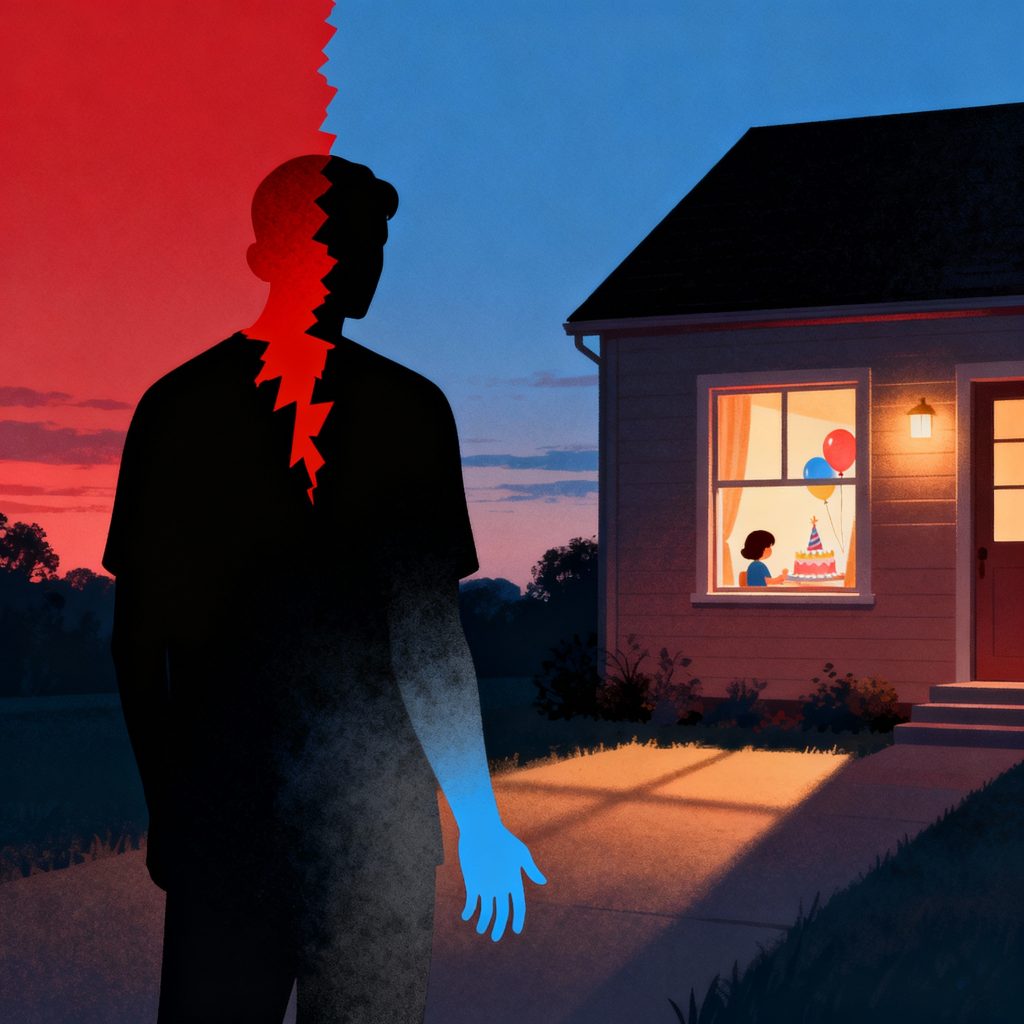
In the days after I was told I couldn’t come to birthdays or holidays, I was furious. How dare she? Who did she think she was? Those were my sons. Underneath that anger, though, there was already remorse and guilt pushing up—knowing on some level that my own actions had brought us here, even if I didn’t want to admit it yet.
My using didn’t suddenly stop because of those boundaries. I kept getting high about the same as before, still running from myself. But her decision kept replaying in my head. Thoughts about my part in the whole situation started to surface: I didn’t want to live
like this forever, I just wasn’t ready to commit to quitting. Some people in my position stay in total denial and put all the blame on the person setting boundaries; I’ve seen that too. When we’re not ready to change or admit we have a problem, any boundary can feel like an attack.
Looking back, the emotions were a whole mess: anger bordering on rage, abandonment, unworthiness, shame, guilt, fear of being alone, fear of never being with my family again, fear of never becoming the man I knew I could be. If you’re about to set a boundary with an addicted loved one, understand that it will probably feel awful on both sides at first. They may blame you, tell you that you don’t understand, try to bargain their way around the line, or accuse you of abandoning them. They might insist this is all your fault. Be ready for a wide range of emotional reactions. In active addiction, we’re not thinking or feeling clearly, and our responses are often intense and irrational—even when, underneath, we know you’re not the real enemy.
Why Your Boundaries Matter More Than You Think
Looking back, those limits did a few crucial things. They meant I didn’t have the chance to steal from my kids by taking from their mother. They kept us from screaming matches about my behavior and addiction in front of the boys. They also kept my children away from the drugs I often carried with me, and from the chaos and unpredictability that comes with an actively using parent.
Those boundaries also played a quiet role in getting me ready for recovery. At the time, I’m sure it looked like I loved the drugs more than my family, but they were always a huge part of why I eventually chose to get clean. On bad days in recovery, remembering the pain of missing birthdays and holidays with them still motivates me to keep going. If she had kept letting me come around high and kept helping me financially, I probably would have used much longer, fought more in front of my sons, and caused even deeper emotional damage to everyone involved.
If you love someone in addiction, setting boundaries can feel cruel. You want them to have everything good, just like you do. But sometimes we addicts don’t leave you any other real option. Drawing a line to protect yourself and your children is actually a gift from the heart, even if it takes us a long time to see it that way. Financial bailouts and endless second chances usually make it easier for us to keep using; no amount of pleading changes us until we reach a place where we truly no longer want to use and are willing to do whatever it takes for recovery. Your boundaries can help us get there.
Common Boundary Mistakes Families Make (From Someone Who Lived It)
One of the biggest mistakes families make is confusing love with rescue. That can look like making excuses for us, giving us money, letting us stay on the couch even though everyone knows we’re still using, or inviting us to events where alcohol or other drugs will be everywhere. To you, it may feel compassionate in the moment. To someone in active addiction, it often just removes consequences and makes it easier to keep going.
Another common mistake is threatening boundaries but not following through. In my case, the mother of my children said “If you do this again, I’ll leave” more than once, and then didn’t. I might slow down for a little while, but eventually I used again, because I learned that the line wasn’t real. When consequences are always talked about but never acted on, we quietly bank on that and keep pushing.
Shame and drama also make things worse. Having my failures constantly thrown in my face, being told how horrible I was, screaming matches in front of my sons, and dragging up my past to guilt me didn’t make me want to get better. It drove me deeper into anger, self‑hatred, and the urge to escape. If you’re going to set boundaries with an addicted loved one, try not to raise your voice, shame, or guilt trip. State the boundary as calmly and matter‑of‑factly as you can, and whenever possible, pair it with a clear path forward: “I can’t give you money or let you stay here while you’re using—but I will help you get to detox, rehab, or a meeting if you’re ready.”
Examples of Healthy Boundaries with an Addicted Loved One
Healthy boundaries are specific and practical. They’re less about big speeches and more about clear lines you’re actually willing to hold. For some families, that might mean: no drugs or alcohol in the house, no coming over when you’re high, and no surprise visits late at night. It can also mean not allowing yelling, threats, or abusive language in your home, no matter how stressed everyone feels.
Money and logistics are another big area. A healthy boundary can sound like: “I won’t give you cash or pay your bills, but I will help you get to treatment or a meeting.” Or, “You can’t live here while you’re using, but if you complete detox or rehab, we can talk about what safe contact looks like then.” These kinds of boundaries protect your safety and sanity, and they also make it harder for us to keep using comfortably.
Time and emotional energy matter too. You might decide: “I won’t argue with you when you’re intoxicated,” or “I’ll answer texts during the day, but I won’t stay up all night on the phone while you’re high.” That may sound harsh, but from my side in recovery, I can tell you it’s often these clear, consistent limits that eventually break through the fog and show us just how serious our situation has become.
How to Communicate Boundaries So We Can Hear You
How you say a boundary matters almost as much as what you say. When voices are raised and emotions are boiling over, all most of us in addiction hear is attack and rejection. Calm, clear, steady language has a much better chance of sinking in later, even if we explode in the moment. Using “I” statements can help: “I’m not willing to have you in the house when you’re high,” instead of “You always ruin everything.”
Pairing love with limits is powerful. You can say something like, “I love you, and I’m not willing to pretend this isn’t happening anymore,” or “I’m not cutting you off as a person, but I am cutting off money while you’re using.” That doesn’t guarantee a good reaction—many of us will still argue, bargain, or try to twist it—but over time, consistent, calm boundaries send a clear message: the door to help is open, but the door to using the old way is closing.
Getting Support for Yourself While You Set Boundaries
Setting boundaries with an addicted loved one isn’t just hard on us; it’s brutal on you too. You’re watching someone you care about self‑destruct, and at the same time you’re trying to protect kids, keep a home together, and not fall apart yourself. Doing all of that alone is overwhelming, and it’s easy to slide from “helping” into rescuing or enabling just because you’re exhausted and scared.
You’re allowed to get your own support. That might mean going to family support groups (like Al‑Anon, Nar‑Anon, SMART Family & Friends, or other local groups), talking with a therapist who understands addiction, or leaning on a trusted friend who won’t just tell you what you want to hear. It can also mean learning about addiction and recovery so you’re not guessing in the dark. Taking care of your own mental, emotional, and physical health isn’t selfish; it’s part of how you stay clear enough to hold real boundaries, love your person honestly, and still have something left for the rest of your life.
If you’re setting boundaries with an addicted loved one, it doesn’t mean you’ve stopped loving them. It means you’re choosing safety, honesty, and reality for everyone involved—including them. Even if we can’t see it in the moment, many of us in recovery later realize that your boundaries were part of what helped us find our way back.
