


Table of Contents
If you’ve ever asked yourself, “is detox enough?” you’re not weak, you’re not stupid, and you’re not the only one. Detox is the part everyone understands. It’s concrete. You go in, you stop using, you get medically stabilized, and you get discharged.
And for a lot of people, that discharge feels like a finish line.
But here’s the truth that doesn’t get advertised: detox is often just the moment you stop actively poisoning yourself. It’s not the moment you learn how to stay sober when life gets loud again.
So no—detox is not enough. Not because detox is pointless, but because detox is only one piece of what recovery actually requires.
Real talk: some links here are affiliate links. If you click and sign up, this site may earn a commission. It doesn’t cost you extra. If you’re in crisis, skip the internet and call 988 or 911—this page is info, not emergency help.
What detox really does (and what it doesn’t)
Detox has a job, and it’s a serious one: keep you alive through withdrawal and stabilize your body. Depending on the substance, detox can mean managing seizures, heart issues, severe dehydration, hallucinations, insomnia, and dangerous swings in blood pressure and mood.
Detox can be lifesaving. Detox can be necessary. Detox can be the right first step.
But “is detox enough?” is really asking a different question: does clearing the substance clear the reasons you used in the first place?
And the answer is no.
Detox doesn’t teach coping skills. Detox doesn’t repair relationships. Detox doesn’t change your environment. Detox doesn’t erase your triggers. Detox doesn’t heal trauma. Detox doesn’t rewrite the patterns that kept you using.
Detox clears chemicals. It doesn’t clear chaos.
The brutal part: after detox, you feel everything
A lot of people use because they’re trying to survive their own internal world.
When you’re high or drunk or numbed out, emotions get muted. Anxiety gets softer. Shame gets quieter. Anger gets buried. Loneliness gets blurred. Sleep comes easier, even if it’s bad sleep. Your brain gets a temporary off-switch.
Then detox happens and the off-switch is gone.
After detox, many people don’t just feel “normal.” They feel exposed. Raw. Jittery. Restless. Overwhelmed. Some feel depressed or empty. Some feel like their skin doesn’t fit. Some feel flooded with memories they’ve been outrunning for years.
That’s why asking “is detox enough?” matters so much—because early sobriety is often emotionally brutal, and you need support specifically for that phase.
The two traumas: what you lived through and what you did while using
This is the part that makes detox alone so dangerous: you leave with the body stabilized, but the pain is still fully loaded.
There’s the trauma you carried into addiction—the “skeletons in the closet.” Sometimes it’s obvious: abuse, violence, abandonment, neglect, grief. Sometimes it’s quieter but still deadly: growing up unsafe, never feeling good enough, living in chronic stress, being the one who had to hold it together, being taught to swallow your feelings.
Then there’s the trauma addiction created: the things you did, the things you lost, the people you hurt, the self-respect you traded, the wake of consequences behind you. That stuff doesn’t disappear because you’ve been sober for five days in a facility.
If anything, detox can make that pain louder—because now you’re awake enough to hear it.
Why “no plan” is basically a plan to relapse
I’m going to say it straight: leaving detox without a next step is like walking out of a burn unit and jumping back into the fire.
People go back to the same house, the same street, the same phone contacts, the same stressors, the same emotional triggers—except now their tolerance is lower, their cravings can be intense, and their confidence is often fake because they “made it through detox.”
That combination is deadly.
So when someone says, “I’m just going to do detox,” what I often hear is: “I’m going to remove the substance and then try to out-willpower the entire rest of my life.”
Willpower is not a recovery plan. It’s a short-term resource, and it runs out fast when you’re tired, triggered, ashamed, lonely, or angry.
If you’re asking “is detox enough?” and you’re hoping the answer is yes because you’re exhausted, that is understandable, but exhaustion is exactly why you need a structure that carries you when you can’t carry yourself.
Continuum of care: what “after detox” should actually look like
Continuum of care is a clinical phrase, but the idea is simple: you don’t go from “medically unstable” to “totally fine” overnight. Recovery needs a ramp, not a cliff.
At minimum, most people need consistent support for the first 30-90 days after detox, often longer. That support can look different depending on your situation, but it should include real accountability and real connection.
Here are common next steps that make detox actually stick:
- Meetings: AA, NA, SMART Recovery, Refuge Recovery, Recovery Dharma. Pick one and show up consistently, not occasionally.
- Sponsor or recovery mentor: Someone you can call before you make the decision you can’t take back.
- IOP (Intensive Outpatient Program): Great middle ground if you need structure, therapy, and accountability while living at home.
- PHP or residential: If your environment is toxic, unsafe, or filled with easy access, higher levels of care can be the difference between relapse and stability.
- Individual therapy: Especially trauma-informed therapy. Detox doesn’t treat trauma; therapy helps you stop bleeding from it.
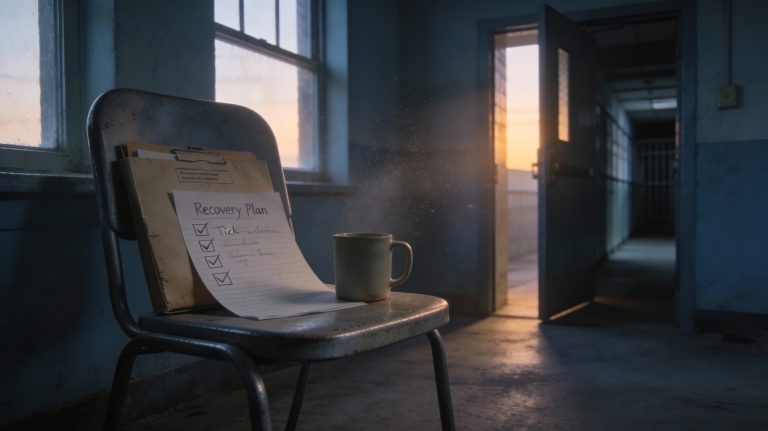
- Relapse prevention plan: Triggers, warning signs, coping skills, emergency contacts—written down, not floating in your head.
- Lifestyle structure: Sleep, food, movement, routines, and boundaries. Boring saves lives in early recovery.
If you’re serious about answering “is detox enough?” with a real plan, the best move is to line up aftercare before you discharge—appointments scheduled, meetings picked, rides arranged, numbers saved.
The risk people don’t talk about: relapse after detox can kill you
One of the most dangerous times in addiction is right after detox. Your tolerance drops. If you go back to your “usual” amount, your body can’t handle it.
That’s how people die after “doing everything right.” They got clean, then they got overconfident or overwhelmed, and they used like they used before.
This is another reason detox alone isn’t enough: staying alive requires staying connected.
So, is detox enough?
No. Detox is the beginning. It’s the medical stabilization phase, not the healing phase.
Detox gives you a chance. What you do next is what turns that chance into recovery.
If you leave detox and immediately build a plan—meetings, IOP, therapy, sponsor, structure—you’re not just getting clean. You’re building a life you don’t need to escape from.
Online therapy
Online therapy isn’t a magic fix, but it can be a real lifeline after detox—someone qualified in your corner when your brain starts bargaining and your feelings start swinging. If you’re shopping for help, start with legit directories first, then decide whether an online platform fits your situation.
- Use FindTreatment.gov to search for mental health and substance use treatment options (including outpatient).
- Consider Talkspace if you want a structured online therapy platform and prefer messaging and/or live sessions.
- Alternatively, Online-Therapy.com is similar to Talkspace which also works with couples.
Real talk: some links here are affiliate links. If you click and sign up, this site may earn a commission. It doesn’t cost you extra. If you’re in crisis, skip the internet and call 988 or 911—this page is info, not emergency help.
Contacts (considering detox)
If you’re asking “is detox enough?” and you’re even thinking about help, don’t do it alone—use these numbers to get connected to real treatment options and real humans, fast.
- SAMHSA National Helpline (treatment referrals, 24/7): Call 1-800-662-HELP (4357).
- SAMHSA treatment finder: Go to FindTreatment.gov to search for substance use and mental health treatment.
- 988 Suicide & Crisis Lifeline (crisis support, 24/7): Call or text 988 (also has online chat).
- Text option for SAMHSA help: Text your ZIP code to HELP4U (435748) for help finding resources.
If it’s urgent
If there’s immediate danger (overdose, trouble breathing, someone unconscious), call 911 right now.
Keep Going
- Early Recovery Guide: Start Here (the “what to do in the first days/weeks” playbook).
- Detox vs Rehab vs IOP (What level of care is right for you?)
- First Meeting Guide (Nervous about your first meeting?)
- Craving Plan (Coming soon)
- Trigger Audit (Coming soon)
- Boundaries (Coming soon)
