


This page is not medical, mental health, or legal advice. If you’re in immediate danger or afraid you’ll hurt yourself or someone else, call 911 or go to an ER. In the U.S., you can call/text 988 anytime, and SAMHSA is available at 1-800-662-HELP(4357). Some links may be affiliate links, meaning we may earn a commission at no extra cost to you.
Table of Contents
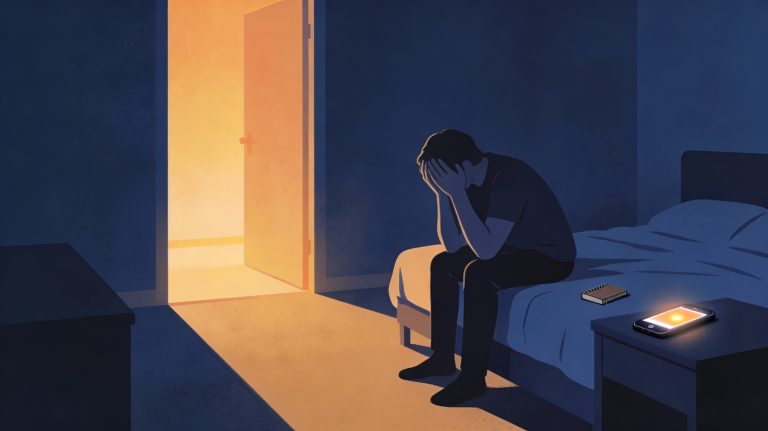
If the fear, “what if I’m scared I’ll hurt myself or someone else?” is playing through your mind, take that fear seriously. Addiction can drag people into thoughts and impulses they don’t recognize as “them.” That doesn’t make you evil—it makes you in danger, and danger needs backup.
Addiction and early recovery can turn the volume up on shame, panic, rage, and despair. You see the wreckage. You feel the storm. And sometimes your brain starts whispering that the only way out is to end it—or to explode on someone else. That darkness is common in this life… but you do not have to face it alone, and you should not try to “tough it out.”
If this is urgent, get emergency help now
If you feel like you might act on thoughts of harming yourself or someone else, get help immediately:
- Call 911 right now, or go to the nearest emergency room
- If you can, don’t stay alone—go to a public place or get someone you trust physically with you
- Create distance from anything you could use to hurt yourself or someone else (weapons, pills, sharp objects). If you can’t do that safely, leave the area and call 911
If you’re in the U.S. and you’re having suicidal thoughts or a mental health crisis, you can also contact:
- 988 — Call or text 988, or chat via 988lifeline.org (24/7)
If you’re worried about hurting someone else, that’s still an emergency. Call 911 and tell them you’re in a mental health crisis and need immediate help to keep everyone safe.
If it’s not an emergency, but it’s still serious
Sometimes you’re not at the “right now” point—but the thoughts are showing up, getting stronger, or scaring you. That still matters. This is where you stack support before things snap.
Free or low-cost help and treatment navigation:
- SAMHSA National Helpline: Call 1-800-662-HELP (4357) for 24/7 treatment referrals and information (substance use and mental health)
- FindTreatment.gov is SAMHSA’s free treatment locator that helps you quickly find nearby mental health and substance use care
Paid online therapy options (for ongoing mental health support):
- Talkspace is an online therapy platform that can connect you with a licensed mental health professional, making it a solid option
- Online-Therapy.com is a web-based therapy program (often CBT-focused) with access to professional support
If you’re in early recovery, this is also a solid time to tell your sponsor, a trusted sober friend, your doctor, or your treatment team exactly what’s going on—no sugarcoating. Your brain may try to minimize it. Don’t negotiate with it.
Why this happens (and why it doesn’t mean you’re hopeless)
A lot of us hit recovery mentally wrecked. We treat addiction like the only problem, but it’s usually sitting on top of trauma, depression, anxiety, sleep deprivation, withdrawal, and shame that’s been fermenting for years. “Rock bottom” isn’t poetic—it’s damage.
You might feel like you deserve pain. You might feel like everyone would be better off without you. That’s the addiction voice wearing your face. The truth is simpler and harder: you’re hurt, your nervous system is on fire, and you need care.
Stay connected (don’t isolate)
Isolation is where these thoughts grow teeth. When you disappear, you give the darkness privacy to lie to you, load you up with shame, and convince you that you’re the only one who’s ever felt this way. You’re not.
If you’re in recovery, stay in touch with support meetings—even if you don’t feel like going, even if you feel unworthy, even if you think you’ll “ruin the vibe.” Show up anyway. Sit in the back if you have to. Listen if you can’t talk. The point is to stay connected to people who know this fight.
Tell your sponsor, a trusted peer, or someone safe in your recovery circle what’s going on—plain and direct. Bringing it into the light doesn’t make you weak or broken. It lowers the pressure. It gives you accountability, perspective, and a next right step when your own mind is not a reliable narrator.
If you feel like you might act on thoughts of harming yourself or someone else, don’t rely on meetings alone—seek emergency help immediately (call 911, go to an ER, or call/text 988 in the U.S.). Use recovery support as backup and reinforcement, not as your only lifeline in a crisis.
One more thing to remember
In active addiction, many of us were capable of anything in pursuit of the next fix. Recovery takes that same intensity—only now it’s used to keep you alive. If you’re in the dark, don’t isolate. Reach out. Get loud. Get help. You’re not too far gone.
Keep Going
- Early Recovery Guide: Start Here (the “what to do in the first days/weeks” playbook).
- Detox vs Rehab vs IOP (What level of care is right for you?)
- First Meeting Guide (Nervous about your first meeting?)
- Craving Plan (Coming soon)
- Trigger Audit (Coming soon)
- Boundaries (Coming soon)
