


Table of Contents
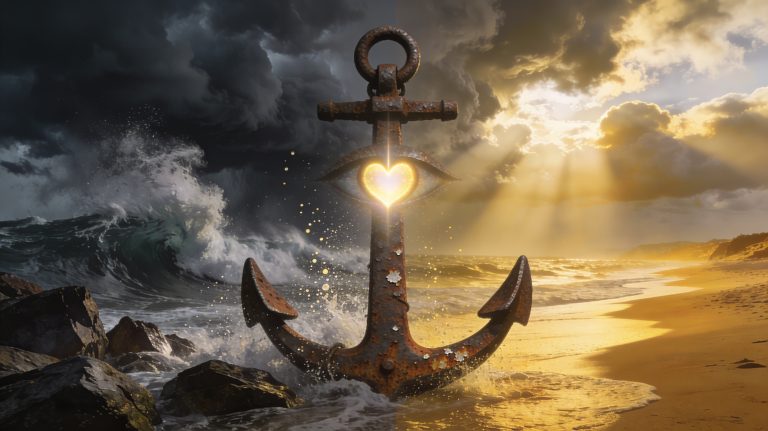
Valentine’s Day loneliness and early recovery can feel like standing on a cold shoreline, watching everyone else sail off in pairs while you sit alone in a leaking life raft, trying to patch it with shaking hands. On a day the world has branded as “love or nothing,” that emptiness can hit like a wave—and for people overcoming addiction, that wave can be dangerous, because loneliness in recovery isn’t just sad feelings; it’s a real relapse risk.
Why Valentine’s Day loneliness and early rec0very hit so hard…
Valentine’s Day is a spotlight holiday: it shines directly on whatever you feel you don’t have—love, partnership, stability, a “normal” life. In early recovery, everything is already raw; your brain is relearning how to feel without numbing out, which makes the contrast between your inner chaos and everyone else’s curated couple photos feel brutal.
The messages are relentless:
- Commercials, gift guides, and couple posts scream that everyone else is happy, chosen, and wanted.
- If you’re single, newly separated, or rebuilding life from the wreckage of addiction, those images can land like proof that you’re behind, broken, or fundamentally unlovable.
- The holiday can stir grief for relationships lost, shame over past behavior, and fear that you’ll always be alone.
For someone in early recovery, that emotional cocktail is explosive. It pokes at old wounds of rejection, abandonment, and not-enoughness—the same wounds many of us tried to medicate with substances. When the whole world seems to be celebrating connection, being disconnected can make the tunnel of recovery look endless and dark, even when the light is closer than you think.
Loneliness: The Quiet Relapse Trigger No One Posts About
Loneliness in recovery isn’t just being physically alone; it’s that heavy, hollow sense that you’re cut off from people, purpose, and hope. When loneliness sits too long, it rarely stays quiet. It starts whispering: “You don’t matter. No one cares. Nothing’s ever going to change. Why are you even doing this?”
Those whispers are exactly what addiction loves.
In many people’s stories, relapse doesn’t start with a drink or a drug—it starts with isolation. You begin canceling plans. Skipping meetings. Ignoring texts. Scrolling instead of reaching out. Telling yourself, “I’m fine, I just need to be alone,” while your thoughts get darker and your world gets smaller.
Loneliness can:
- Fuel negative self-talk: “I’m broken, unlovable, too damaged for a real relationship.”
- Intensify anxiety and depression, two huge emotional triggers for using.
- Make old coping stories sound reasonable again: “If I just had one, I wouldn’t feel this way.”
That’s why many in recovery call isolation a “silent relapse.” The disease is regrouping in the shadows long before anything shows on the surface.
On Valentine’s Day, the risk is even higher. The cultural script says, “Being alone today means something is wrong with you.” If you’re already in a fragile place, it’s easy to start believing that lie—and once you start believing it, reaching for something to numb the pain can feel like the only escape.
The Dangerous Fix: Early Relationships As A Substitute Drug
When you’re lonely in early recovery, romance can look like salvation. A text, a match, a flirt, a late-night call—it all hits the same reward pathways in the brain that substances used to light up. That’s why new relationships often end up acting like a substitute drug.
Things can spiral fast:
- You start chasing the high of their attention—refreshing your phone, obsessing over their replies, replaying conversations in your head.
- Your mood swings with their availability: you’re up when they’re responsive, crashing when they pull back.
- Instead of building internal stability, you outsource your sense of worth and safety to another person.
That’s codependency in a nutshell: your emotional life hangs on someone else’s behavior, mood, and presence. In recovery, that’s a dangerous place to live. It can:
- Crowd out your program—suddenly meetings, therapy, and healthy routines get pushed aside for the relationship.
- Trigger old patterns of people-pleasing, lying, or hiding your true feelings to keep the connection.
- Blow up spectacularly and send you straight back to your drug of choice when it ends.
This doesn’t mean you’re doomed to be alone forever or that love is off-limits. It means early recovery is a season to build a spine before you hand your heart to someone else. It’s a time to learn:
- Who you are without substances.
- How to self-soothe without another person or a chemical.
- How to set and hold boundaries that protect your brain, your body, and your sobriety.
Healthy love can absolutely be part of long-term recovery. But on holidays like Valentine’s Day, it’s crucial to remember: a relationship is not a replacement for a program, and another human being is not your Higher Power.
When Depression Rolls In Like A Fast-Moving Storm
Not everyone gets pulled into a deep, clinical depression on Valentine’s Day. Sometimes it’s a flash storm—an hour, an afternoon, a day where everything feels grey and heavy. But in early recovery, even a short, sharp dip can be enough to shake your grip on sobriety.
Depression in recovery can look like:
- That “what’s the point?” feeling that makes the future seem flat and hopeless.
- Sudden exhaustion—not just physical tiredness, but soul-tired.
- Loss of interest in the things that were helping you—meetings, hobbies, connections, even basic self-care.
Stack that on top of loneliness and comparison—everyone else’s flowers, date nights, and “I love us” posts—and your nervous system might start screaming for the old, familiar escape hatch. It doesn’t need to be a week-long episode to be dangerous. One rough evening, one dark car ride, one “screw it” moment has ended more than a few stretches of solid sobriety.
Naming this is important. You are not weak or overdramatic if Valentine’s Day hits your mental health. You are a human being in the middle of rewiring your brain and rebuilding your life, standing in the crosshairs of a holiday designed to magnify everything you feel you’re missing.
Gritty Ways To Ride Out A Lonely Valentine’s Day Sober
This is where the Stormborn part of recovery comes in—not pretending the storm isn’t real, but learning how to stand in it without letting it drag you back out to sea. You don’t need a perfect plan. You just need enough anchors to get through the next 24 hours without picking up.
Here are some grounded, real-world ways to ride out a lonely Valentine’s Day in early recovery:
1. Say The Quiet Part Out Loud
Loneliness grows in silence. Shame grows in silence. Cravings grow in silence.
Today, instead of white-knuckling it alone, try:
- Texting or calling a recovery friend: “Hey, Valentine’s is messing with my head. I’m feeling lonely and off. Can we talk?”
- Being blunt at a meeting: “I’m single, I’m in early recovery, and this holiday is making me feel like trash. I need support today.”
- Sending one honest message instead of ten hours of scrolling.
You don’t need to show up polished. You just need to show up.
2. Refuse To Spend The Whole Day Isolated
If you can safely change your physical environment, do it. Isolation is gasoline on the fire of loneliness.
Options for today:
- Hit an in-person or online meeting, even if you don’t feel like it. Especially if you don’t feel like it.
- Make a plan with one safe person—coffee with a sober friend, dinner with a family member who supports your recovery, a walk with someone who “gets it.”
- If you’re truly stuck at home, schedule connection: set alarms to call people, join online support groups, or drop into virtual meetings.
The goal isn’t to erase loneliness; it’s to stop feeding it by staying trapped in your own head.
3. Redefine What This Holiday Means For You
You’re allowed to reject the idea that Valentine’s Day is only for couples. In recovery, you can repurpose it.
You might choose to make Valentine’s Day about:
- Self-respect: Writing a letter to yourself from your future, sober self, thanking you for not giving up.
- Gratitude: Listing the relationships you still have, the ones you’re rebuilding, and the ones you’re glad you left behind.
- Commitment: Treating today as an anniversary of your decision to fight for your life, even if the date isn’t actually your sobriety date.
Maybe this year, Valentine’s Day becomes the day you decided to stop chasing your worth in other people and start building it from the inside out.
4. Aim Your Energy Outward: Service As An Anchor
When you’re spinning out in your own pain, one of the fastest ways to shift your state is to help someone else. Not because your pain doesn’t matter, but because service cuts through the lie that you’re useless and alone.
Ideas for today:
- Message someone newer in recovery than you: “Thinking of you today. If this holiday is hard, you’re not alone.”
- Share at a meeting about your loneliness and how you’re staying sober anyway—that might be exactly what someone else needs to hear.
- Do something small but tangible for a neighbor, family member, or friend: a ride, a check-in, a task that makes their day easier.
Service doesn’t fix everything, but it reminds you that you still have something to give, even when you feel empty.
5. Guard The Basics Like Your Life Depends On Them (Because It Does)
When emotions are high, “boring” things feel pointless. In recovery, they are anything but.
Today, try to:
- Eat something real, even if your appetite is off. Low blood sugar can make mood swings and cravings worse.
- Move your body—walk, stretch, pace, anything to bleed off some of the nervous energy.
- Sleep if you can; if you can’t, at least create a calming routine for tonight instead of doom-scrolling yourself into a panic spiral.
- Stick to your recovery routine as much as possible—meetings, reading, prayer/meditation, journaling.
These aren’t magical solutions. They’re sandbags against the flood. You might still feel lonely, sad, or angry—but you’ll also be physically and mentally more stable, and that matters.
A Word To The One Staring Down The Storm
If this Valentine’s Day finds you single, shaky, and staring down the storm of loneliness, hear this clearly: your worth is not measured in relationship status, couple selfies, or how many people send you hearts today. It is measured in the quiet, defiant choice to stay sober in a world that keeps trying to convince you you’re not enough.
You are allowed to be pissed off at this holiday. You are allowed to feel lonely. You are allowed to grieve what you lost and what you haven’t found yet. None of that disqualifies you from recovery.
Stormborn sobriety doesn’t mean you never feel the wind. It means you learn to plant your feet, call your people, ride out the waves, and refuse to throw yourself overboard just because everyone else seems to be sailing smoother than you.
Tonight, if all you do is keep your sobriety intact for one more day in the middle of this emotional minefield, that is not a small thing. That is love in its rawest form—love for your future, your battered but beating heart, and the life you haven’t fully seen yet.
And that kind of love? That’s worth more than any flowers that wilt tomorrow.
Build Your Storm Shelter
- Early Recovery Guide – Start here (Our Foundation)
- Relapse Prevention Plan (because when rebuilding, stress is real).
- Boundaries (we need protection, not walls)
- Rebuilding Life After Addiction (built upon our foundation)
If the Storm Has Turned Bad
- SAMHSA National Helpline: 1-800-662-HELP (4357) — free, confidential, 24/7/365 treatment referral and information for individuals and families; available in English and Spanish.
- FindTreatment.gov: a directory for finding treatment options in the U.S.
- If you’re in crisis or thinking about hurting yourself, call or text 988 (U.S.) for free, confidential, 24/7 support from the 988 Suicide & Crisis Lifeline.
Some links below are affiliate links—if you click and buy, this site may earn a small commission at no extra cost to you. It helps keep the lights on, and only services worth recommending get linked.
- Talkspace provides virtual therapy (and also offers psychiatry services on its platform), so support can happen from a phone or computer instead of an office visit.
- Online-Therapy.com is a CBT-focused online therapy platform that combines a self-guided program (sections + worksheets) with therapist support, including messaging and optional live sessions depending on subscription level.
- Brightside offers an online Intensive Outpatient Program (IOP) for substance use disorder, built around a weekly schedule that includes group therapy, individual therapy, and psychiatry/med consults as needed.
